
When every serious conversation turns into a fight
Serious conversations go wrong in the run-up, not in the content: choose the hour, ask for the appointment, and open with one specific moment instead of a verdict on your partner.
- autopilot
- hermes
- communication
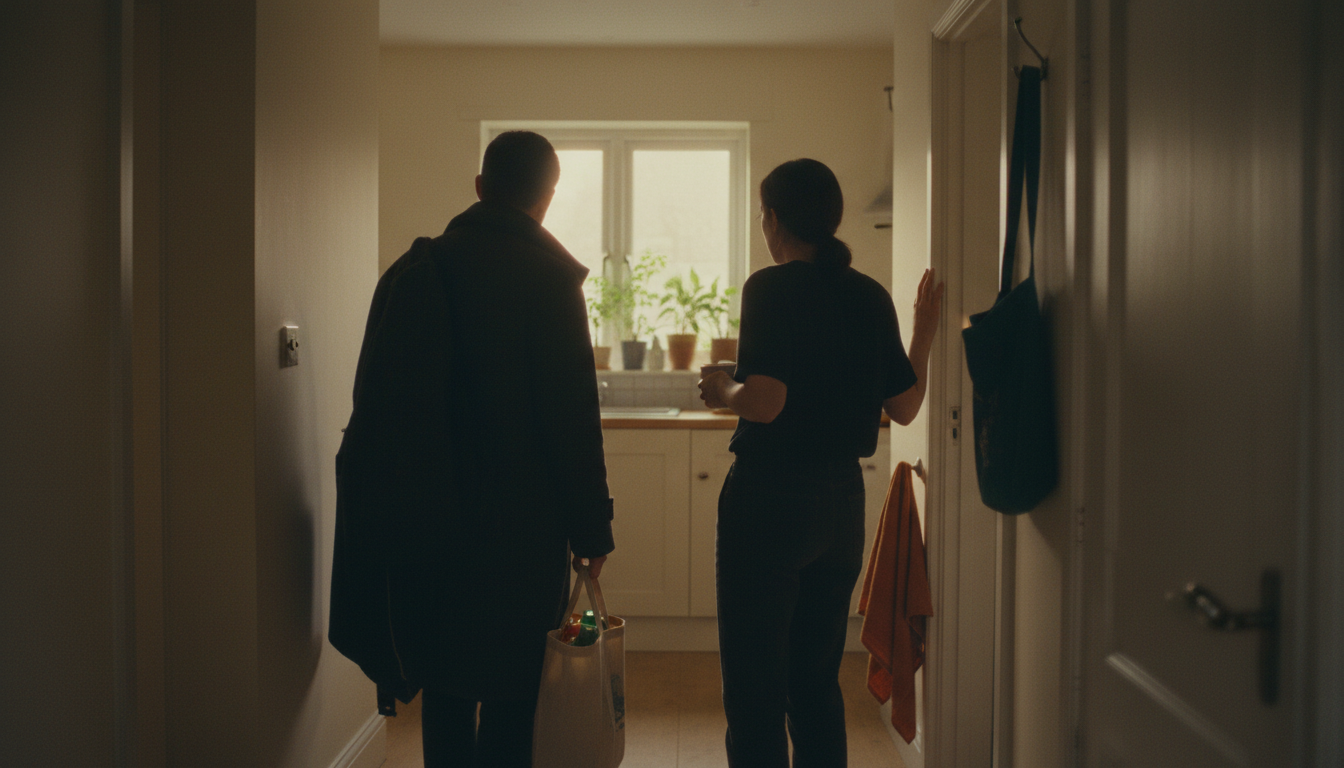
You have been carrying it around for a week. It is not a small thing. Tonight you decide to say it properly: no accusation, no raised voice, just the two of you and one honest conversation. Four minutes later you are arguing about something else entirely, and you go to bed on opposite sides of the bed wondering how that happened again.
The subject is not what decides this conversation. Three things in the run-up carry more weight than the content does: the state you are both in when it starts, the hour you pick, and the first sentence out of your mouth.
State, hour, opening line
Start with your state. A serious conversation is a piece of work, and it needs some slack. Open one while you are both tired, hungry, just home from work, or still carrying something from the day, and you begin with less to spend. When a conversation feels like an attack, the body joins in. Heart rate climbs, breathing goes shallow, and the part of you that can take in another person's point of view goes quiet.
In John Gottman's research, where couples have been observed in his lab and followed for decades, that flooding is where listening stops. His clinical guidance is blunt: once you are there, more talking rarely helps, and about twenty minutes is what it takes before the same conversation is worth trying again.
Then the hour. The doorway in the first minute after somebody gets home, the last half hour before sleep, and dinner with one of you standing up are all poor hosts for a hard subject. Not because those hours are sacred, but because the state you are both in at those times does the deciding. There is one small move available in that moment: ask for the conversation instead of starting it. "There is something I want to talk about, and this is not the moment. When is good?" It feels oddly formal the first few times, and it puts the moment of starting the conversation in both your hands.
Then the opening sentence. A complaint names a moment. "The kitchen was still full when I got home and I was on my own with it." A criticism names a person. "You never help, you do not care about me." In Gottman's observational studies of couples, the discussions that started harshly were the ones that escalated, and the ones that started softly were the ones where both people stayed in the room. The first line is not everything, but it is the part you control most.
And the third minute is where it turns, when the opening line has been answered and one of you reaches for every other example you have. The one incident becomes a list, the list becomes a verdict on the other person, and the subject you came in with is gone.
If the harsh opening comes from them, you still have one lever, which is slowing it down. "I want to hear this. Give me the one thing that happened." Then let them get to the end of it before you answer.
One change to try this week
Pick the conversation you have been avoiding. This week, separate the appointment from the content.
Choose a time on purpose: both of you fed, neither of you half asleep, no phones within reach. Ask for it out loud and in advance rather than launching it in the doorway. "There is one thing I want to talk about. Tomorrow after dinner?"
Then write one sentence before you sit down. "On Tuesday, when the kitchen was still full, I felt like I was carrying it alone." One incident, not a pattern, and no "you always" anywhere in it. Say that sentence, then stop for ten seconds and let them answer with whatever they actually think before you add your second point.
Watch one thing in those first two minutes: is the temperature staying level, or is it climbing? If it climbs, name it and stop. "I want to finish this and I am too worked up right now. Give me twenty minutes?" Then come back at the twenty minute mark, which is the part that is easy to skip.
What not to expect
The first attempt will feel staged, and the break will feel like being dismissed. That fades as the two of you learn that the conversation resumes when it says it will.
Keep the size of the tool honest as well. One prepared opening line is a way through one hard conversation. It is not a repair for a subject that has been sharp for years, and it is not therapy.
Each Sunday: one question to ask your partner, the research behind it, and one thing to try. The free Relationship Checkup is open to everyone, any time: Relationship Checkup.
One question a week.
Each Sunday: one question to ask your partner, the research behind it, and one thing to try. The free Relationship Checkup is open to everyone, any time.